
12 Apr Atibaia Winery
Atibaia Winery
Virtual Tasting Room:
Almost as good as being there!


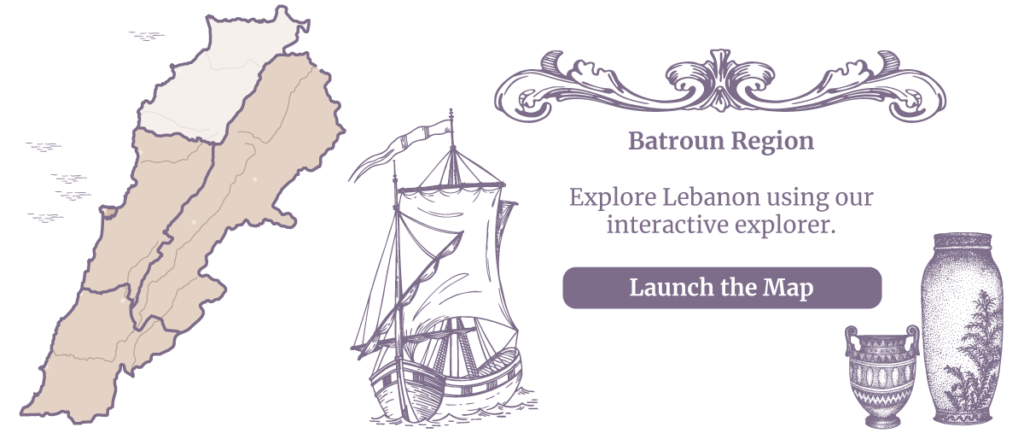
In the coastal city of Batroun, the Massoud family began to grow grapes and make wine in 2005. Set in a 17th century home in the mountainous village of Smar Jbeil, Atibaia Winery is located near the Castle of Smar Jbeil, a feudal stronghold built during the Crusader period (1095 – 1291AD). Considered one of the oldest villages in Lebanon, the family takes an artisanal approach to wine making maintaining small yields.
The Atibaia red blend received a rating of “90+” for three vintages by internationally renowned wine critic and writer Robert Parker. This blend of Syrah, Cabernet Sauvignon, and Petit Verdot can be enjoyed immediately or cellared for 10+ years. The Atibaia Winery white blend is 50% chardonnay and 50% viognier with a slightly oaky aroma and a long finish. The wineries rose is accompanied by limited edition single varietals including Malbec, Petit Verdot, and Syrah.


Fun Facts
 “Small is beautiful”. Set in a 17th century home in the mountainous village of Smar Jbeil, Atibaia Winery is located near the Castle of Smar Jbeil, a feudal stronghold built during the Crusader period (1095 – 1291AD). Considered one of the oldest villages in Lebanon, the family takes an artisanal approach to wine making maintaining small yields and is is dedicated to produce one red wine in limited quantities.
- Atibaia ages wines in a cellar between 4-6 years before releasing them on the market, giving them a real concentration of flavor, with a good balance of alcohol, acidity, and texture. This aging process allows a magical new world of flavor to open up.
- Amazing ranking for Atibaia’s boutique winery positioned as the 65th best vineyard of 2021. (World’s Best Vineyards 2021) (September 15, 2021)
- Atibaia produces a 100% Malbec. The first Malbec to be ever released in Lebanon is a living proof that this beautiful grape variety can thrive in different regions of the world. (December 14, 2020)
- Roses add beauty to the vineyard landscape, provide food for bees and offer habitat for beneficial insects preying on undesirable insects that can damage the grape crop.
Sorry, the comment form is closed at this time.